Best Solar Company

The Shift to Induction Cooking and Solar Energy: A Response to War-Induced Challenges
3/28/20264 min read
The Impact of War on Energy Availability
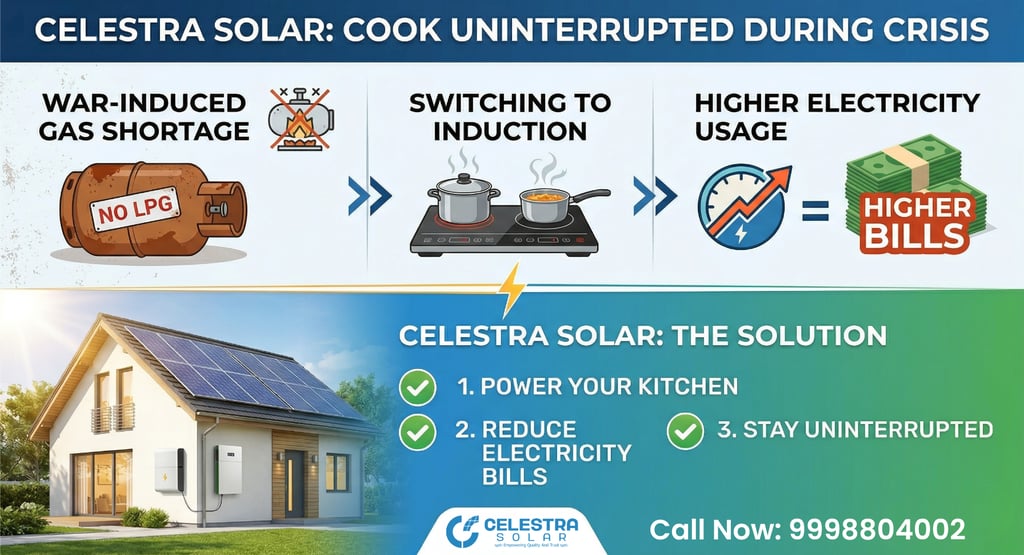
The ongoing geopolitical conflicts around the globe have significantly disrupted traditional energy supplies, particularly in the realm of natural gas. Countries involved in warfare often see their energy infrastructure damaged, leading to immediate shortages that affect both consumers and industries. These disruptions are not merely temporary; they can precipitate long-term changes in energy availability and consumption patterns.
As natural gas supplies become erratic, the implications for consumers are profound. Households face rising energy costs due to the increased demand for alternative sources of heating and power. Additionally, industries reliant on natural gas encounter operational challenges, which may lead to higher production costs and potential layoffs. The manufacturing and transportation sectors, which are particularly gas-dependent, experience significant disruptions, often passing these costs onto consumers.
The ripple effects of reduced gas availability extend into the broader economy, fostering an urgent need for alternative energy sources. In light of this urgency, many stakeholders are exploring options such as solar energy and induction cooking as viable alternatives to traditional gas supplies. Both technologies are gaining attention not only for their sustainability but also as cost-effective solutions during periods of instability. Investment in these alternatives represents a strategic shift to ensure energy resilience amidst the unpredictability caused by conflicts.
Furthermore, the transition toward renewable energy sources might mitigate some of the vulnerabilities caused by reliance on natural gas. By investing in solar energy and promoting induction cooking technologies, societies can reduce their dependency on traditional energy supplies and prepare for future challenges that may arise from ongoing geopolitical tensions. This shift not only addresses immediate concerns but also promotes long-term energy sustainability in a world increasingly affected by war-induced disruptions.
Induction Cooking: A Solution to Rising Energy Costs
As concerns about rising energy costs continue to escalate, many consumers are turning to induction cooking as a viable alternative to traditional gas stoves. Induction cooktops utilize electromagnetic energy to directly heat pots and pans, which not only improves cooking efficiency but also offers a range of benefits that can lead to substantial cost savings.
The fundamental operation of an induction cooktop involves the use of magnetic fields to produce heat. When a pot made of ferrous material is placed on the cooktop, the magnetic field generated by the induction coil creates electric currents within the pot, causing it to heat up almost instantaneously. This direct heat transfer means that induction cooking is generally 70% more efficient compared to gas stoves, where heat is lost to the surrounding environment. This efficiency not only translates to faster cooking times but also lower energy bills as less energy is wasted.
In addition to efficiency, induction cooking offers several advantages in safety and ease of use. Since the cooktop itself remains relatively cool to the touch, there is a reduced risk of burns, making it a safer option for households with children. Moreover, the precise temperature control provided by induction cooktops allows for better cooking outcomes, further reducing food waste and associated costs.
However, the transition from gas to induction does present challenges for some consumers. Initial costs for induction cooktops can be higher than those of gas stoves, and not all cookware is compatible with induction heating. Consumers may need to invest in new pots and pans made from magnetic materials, which can be a hurdle. Additionally, there may be a learning curve involved in adjusting to the differences in cooking methods.
Despite these challenges, the long-term savings provided by induction cooking, coupled with heightened energy efficiency, make it an attractive option for those looking to manage rising energy costs effectively.
The Role of Solar Energy in Energy Independence
The ongoing global conflicts have intensified the already existing challenges related to energy dependence, significantly increasing energy costs for households. In response, solar energy has emerged as a pivotal solution that protects consumers against rising prices while fostering long-term energy independence. By harnessing the power of the sun, households can effectively mitigate the financial burden caused by fluctuating energy markets driven by geopolitical tension.
One of the primary benefits of installing solar panels is the potential for substantial long-term savings. Solar panels convert sunlight into electricity, allowing homeowners to generate their own energy and significantly reduce their reliance on conventional power sources. As electricity prices soar in times of instability, the ability to produce power on-site can lead to noticeable reductions in monthly utility bills. Furthermore, many governments offer incentives such as tax credits, rebates, and financing options to encourage solar energy adoption, which can facilitate affordability for many households.
Beyond immediate financial benefits, solar energy significantly enhances energy independence for households and communities. With solar panels, consumers gain control over their energy production and consumption. This autonomy is particularly crucial in a climate where energy supply chains remain vulnerable to disruption due to conflict or geopolitical crises. By investing in solar technology, families are less susceptible to external energy shocks, allowing them not only to safeguard their finances but also promote a sustainable energy future.
As more households invest in solar panels, communities can work towards a decentralized energy system, further enhancing resilience against global energy fluctuations. The transition towards solar energy is not only a smart financial investment but also a necessary step toward achieving energy independence and environmental sustainability in these uncertain times.
The Future of Energy: A Collective Shift Towards Sustainability
The ramifications of ongoing global conflicts have underscored the urgent need for a transition to sustainable energy practices. As inconsistencies in fuel supply chains become increasingly prominent, the merits of renewable energy sources, such as solar power, must be examined more closely. Solar energy is not merely an alternative; it has evolved into a critical necessity for modern households grappling with the uncertainties of conventional energy sources. The collective shift towards this form of energy is not just beneficial; it is becoming imperative.
Investing in solar energy can offer stabilizing benefits amid geopolitical instability. This renewable source empowers homeowners and communities to harness energy directly from the sun, reducing dependence on fluctuating fossil fuel markets. Solar installations reduce utility costs while also contributing to environmental sustainability, positioning solar energy as a forward-thinking solution in the face of adversity.
Moreover, many governments are beginning to recognize the significance of shifting towards renewable energy solutions. By implementing policies and incentives for solar panel installations, they encourage individuals and businesses to adopt cleaner practices. This regulatory support is pivotal in accelerating the transition toward sustainable living, reinforcing the notion that solar energy should be an ongoing priority and not simply a response to crisis.
As we move further into the 21st century, the adoption of solar energy appears less as a choice and more as an essential adaptation for resilience and sustainability. Such a comprehensive shift toward renewable energy sources could play a substantial role in mitigating not only the immediate impacts of war-induced challenges but also the long-term effects of climate change. By embracing solar technology, individuals take a proactive approach in securing their energy future while contributing to a healthier planet.
All Rights Reserved by Celestra Solar Pvt Ltd ©2023
CELESTRA SOLAR PVT LTD
Follow us
Catalogs
Useful Links